










 Tax calculator
Dubai



Cost of Living in Dubai
2026 Guide to Living Costs in Dubai
For many expatriates, the cost of living is an important factor when deciding whether Dubai could become their new home. While Dubai is known for its luxury lifestyle, everyday expenses can vary significantly depending on personal preferences and lifestyle choices.
This guide outlines the main living costs you can expect in Dubai, from daily essentials to housing and education.
How High Are Living Costs in Dubai?
The cost of living in Dubai depends largely on individual lifestyle. A single person who wishes to live comfortably should generally plan for a monthly income of at least EUR 4,000. Naturally, this amount may vary depending on housing choices, personal spending habits and family size.

Daily Essentials
Thanks to a relatively low value-added tax of only 5 percent, many everyday goods in Dubai are reasonably priced. Local food products are often affordable and of good quality.
Imported goods, however, may cost more than in Europe due to transportation and import costs. To keep daily expenses under control, many residents prefer local products and shop in supermarkets located outside major malls or tourist areas.
Clothing
Clothing prices in Dubai can vary widely depending on brand and shopping location. International luxury brands may be more expensive than in Europe, but excellent tailoring services are available at competitive prices.
Custom-made suits or dresses from skilled tailors can often be obtained at a lower price than in well-known fashion districts in cities such as London.
Dubai also offers numerous outlets and shopping centres where quality clothing can be purchased at significantly lower prices. During the annual Dubai Shopping Festival, discounts of up to 80 percent are often available on premium brands.


Housing, Electricity and Water
Housing is typically the largest expense for most residents. Rental prices vary depending on location, property size and available amenities.
Dubai’s population has grown significantly over the past decade, which has increased demand for apartments and villas. As a result, rental prices vary widely between districts.
Online real estate platforms provide a good overview of current rental prices. Searching for terms such as “apartments for rent in Dubai” or “Dubai rental properties” will quickly provide a clear picture of current market prices.
Electricity costs in Dubai are relatively low compared with many European countries. Actual costs depend on property size and energy consumption.
Water is supplied by the Dubai Electricity and Water Authority (DEWA). Although the water quality is high, it is generally not used as drinking water. Similar to electricity, water costs are moderate and depend on usage.

Telecommunications
Telephone and internet services are widely available and generally not a major expense. Costs depend on the service provider, the package selected and the required internet speed.
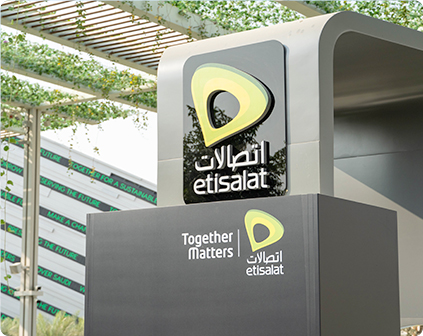
The two largest providers in Dubai are Etisalat and du. Both companies offer a range of packages including fixed-line broadband and mobile internet services.
A typical combined telephone and internet package usually costs between USD 45 and USD 90 per month.

Insurance
Insurance coverage in Dubai is largely a personal choice. However, based on practical experience, two forms of insurance are strongly recommended.
First, comprehensive private health insurance that includes both outpatient and inpatient treatment, as well as international coverage.
Second, personal liability insurance. Unexpected damage caused to third parties can quickly lead to significant financial consequences. Proper insurance coverage provides important protection.
Kindergarten and School Fees
Education is another important factor when calculating the cost of living in Dubai.
Private school fees vary widely depending on the institution, location and curriculum. Families emigrating to Dubai with children should generally expect annual school fees of at least EUR 10,000 per child, although some international schools charge considerably higher tuition.
Private kindergarten fees are usually lower, typically ranging between USD 5,000 and USD 15,000 per year.


Conclusion
Many myths surround the cost of living in Dubai. In reality, expenses vary depending on lifestyle choices.
Groceries
Local groceries are often reasonably priced, while imported goods may cost more.
Electronics, Cars and Furniture
Electronics, vehicles and furniture are frequently cheaper than in Europe or the United States. Shopping centres such as Dragon Mart offer particularly competitive prices.
Housing
Rental costs depend strongly on location. A two-bedroom apartment may cost AED 50,000 per year in some areas, while similar apartments in prime locations may exceed AED 300,000 annually.
Education
Education in Dubai is primarily private. Although school fees can be substantial, children benefit from multilingual education and an international learning environment.
Finally, it is important to consider that Dubai does not levy personal income tax. For many residents, this tax advantage offsets higher housing or education costs and contributes to a high overall quality of life.
If you would like to discuss your personal plans or have questions about living in Dubai, our experienced specialists will be happy to assist you.
We are happy to assist!
for a free consultation
with one of our experts


























 – Flexibel. Wirtschaftlich. International.vg "Ras Al Khaimah Economic Zone (RAKEZ) – Flexible. Economic. International.")