







 Tax calculator
Dubai



Living as a Woman in Dubai
Safety, Rights and Everyday Life for Women in Dubai
Many women who consider moving to Dubai naturally have questions about women’s rights and daily life in the United Arab Emirates. The UAE is a modern and cosmopolitan country that welcomes people from around the world. Women live, work and build careers in Dubai just as they do in other global cities.
While local traditions remain an important part of society, women in Dubai participate actively in business, education and public life. The aim of this overview is to clarify common misconceptions and provide a realistic picture of opportunities and rights for women living in the UAE.

Women’s Rights and Labour Laws
In recent years, the United Arab Emirates has made significant progress in strengthening gender equality. The UAE Labour Law guarantees equal pay for women and men performing the same work.
Government initiatives also actively promote gender balance. The UAE Gender Balance Council works to increase female representation in leadership positions across both the public and private sectors. International organisations have recognised these efforts. The World Economic Forum and the Georgetown Institute for Women, Peace and Security have both highlighted the UAE’s progress in advancing women’s rights in the region.
Women now hold leadership roles in important sectors including aerospace, technology and energy. For example, the UAE aerospace company STRATA reports that a large majority of its national workforce consists of women.
Maternity and Family Life
Women in Dubai can pursue their careers while also enjoying family life. Both public and private sector employees benefit from maternity protections.
In the public sector, women are entitled to three months of fully paid maternity leave. They may also take additional leave before the expected delivery date and extend their leave with annual or unpaid leave when necessary.
In the private sector, female employees are entitled to 60 days of maternity leave, including 45 days with full pay and 15 days with partial pay. Additional unpaid leave may also be granted if medical circumstances require it.
After returning to work, mothers are entitled to breaks to nurse their child for a defined period. These protections allow women to maintain their professional careers while caring for their families.
Financial Rights and Business Opportunities
Women in the UAE enjoy full financial independence. They have the right to establish businesses, purchase property, open bank accounts and obtain mortgages.
A growing number of businesses in the UAE are owned or managed by women. Many of these companies operate internationally and manage large-scale investment projects. Emirati women are regularly featured among the most influential business leaders in the region.
As with any country, it is important for expatriates to understand local legal structures. For example, inheritance matters may be influenced by Sharia law. However, non‑Muslim residents can register wills through recognised legal frameworks such as the DIFC Wills Service Centre.
Women in Public Life
Women are also increasingly visible in public leadership roles. Although the UAE is not a traditional democratic system, women have held seats in the Federal National Council since 2006.
Today, women represent around half of the members of the Federal National Council, and a significant number of cabinet positions are held by women. Female ambassadors and senior government officials are also increasingly common.
Marriage and Divorce
Marriage in the UAE is legally permitted from the age of 18. Divorce procedures differ depending on circumstances and nationality. In general, men may initiate divorce more easily, while women must obtain a court ruling.
However, expatriates of any nationality and religion may file for divorce through the UAE legal system if they have been resident in the country for a minimum period. Many couples also choose mediation or counselling before pursuing legal proceedings.
Education and Career Opportunities
Education is widely accessible to women in the UAE. Female literacy rates are among the highest in the region, and a large proportion of university students are women.
Women study across a wide range of disciplines including business, science, engineering and medicine. Military academies and leadership programmes have also opened their doors to female students in recent years.
Healthcare and Wellbeing
Healthcare in Dubai is modern and highly developed. Women have access to both public and private medical services, including specialist clinics and preventative health programmes.
Hospitals in Dubai employ internationally trained doctors and offer services in multiple languages. Many residents choose comprehensive private health insurance, which typically provides access to a wide network of clinics and hospitals.
Life as a Woman in Dubai
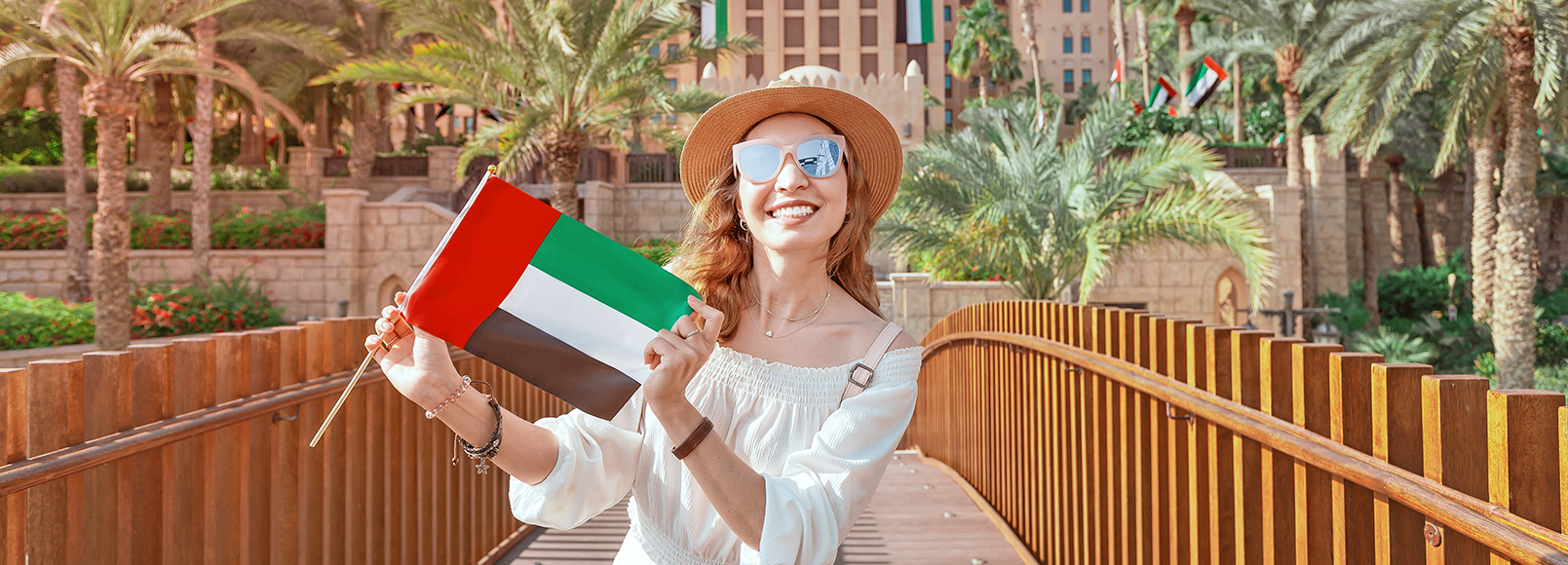
Today, Dubai offers women a safe and supportive environment with strong professional and personal opportunities. Women participate actively in business, government and academic life while enjoying the security and stability of one of the safest cities in the world.
For many expatriate women, Dubai provides the opportunity to pursue ambitious professional goals while benefiting from a high quality of life.
Privacy Management Group – Your Local Partner
If you are considering moving to Dubai and have questions about life in the UAE, our team will be pleased to assist you. Privacy Management Group supports international clients with relocation, residence visas, company formation and everyday practical matters when settling in Dubai.
We are happy to assist!
for a free consultation
with one of our experts

































 – Flexibel. Wirtschaftlich. International.vg "Ras Al Khaimah Economic Zone (RAKEZ) – Flexible. Economic. International.")